
"The seed of Chandigarh is well sown. It is for the citizens to see that the tree flourishes."
- Le Corbusier
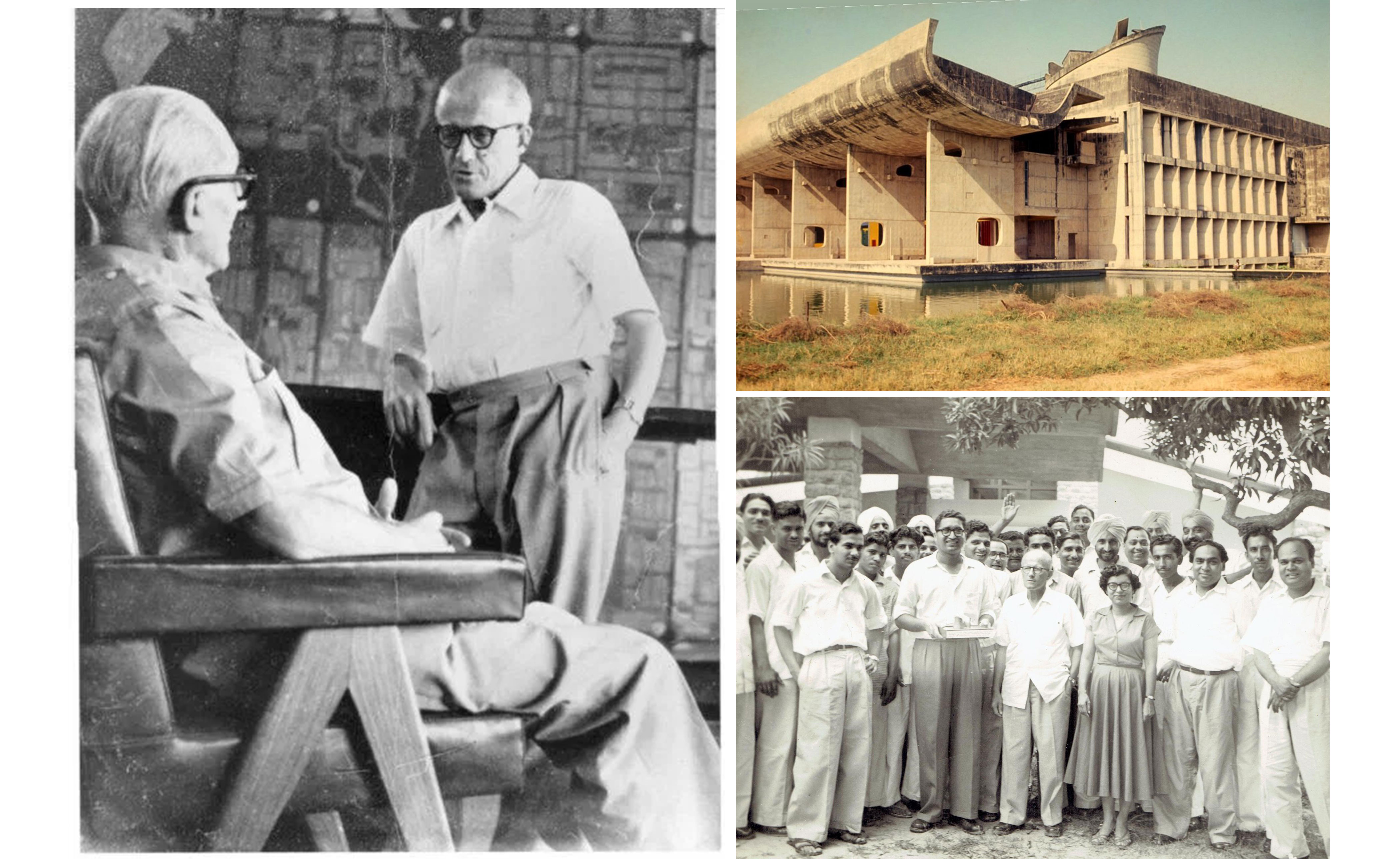
Chandigarh is one of the most ambitious urban planning projects of the 20th century. Commissioned by Indian Prime Minister Jawaharlal Nehru following partition in 1947, the city was conceived as a symbol of modern, independent India. Le Corbusier was appointed lead architect in 1951, alongside his cousin Pierre Jeanneret and a team of Indian architects that included Eulie Chowdhury, who was the only connection between Le Corbusier, Pierre Jeanneret, and the Indian design team and administrators.
The furniture for the Capitol Complex and all of its many buildings was never an afterthought for Le Corbusier. Working alongside his cousin Pierre Jeanneret, who served as resident architect in Chandigarh from 1951 to 1965, and designer Charlotte Perriand, he understood that the interiors of the Capitol Complex needed to reflect the same Modernist principles as the buildings themselves. Pierre Jeanneret took the lead on furniture design for the project, creating pieces that were functional, honest in their use of materials, and deeply rooted in local craft traditions. Readily available materials like teak and rattan became the primary materials, giving the furniture a distinctly Indian character while remaining true to Modernist ideals.
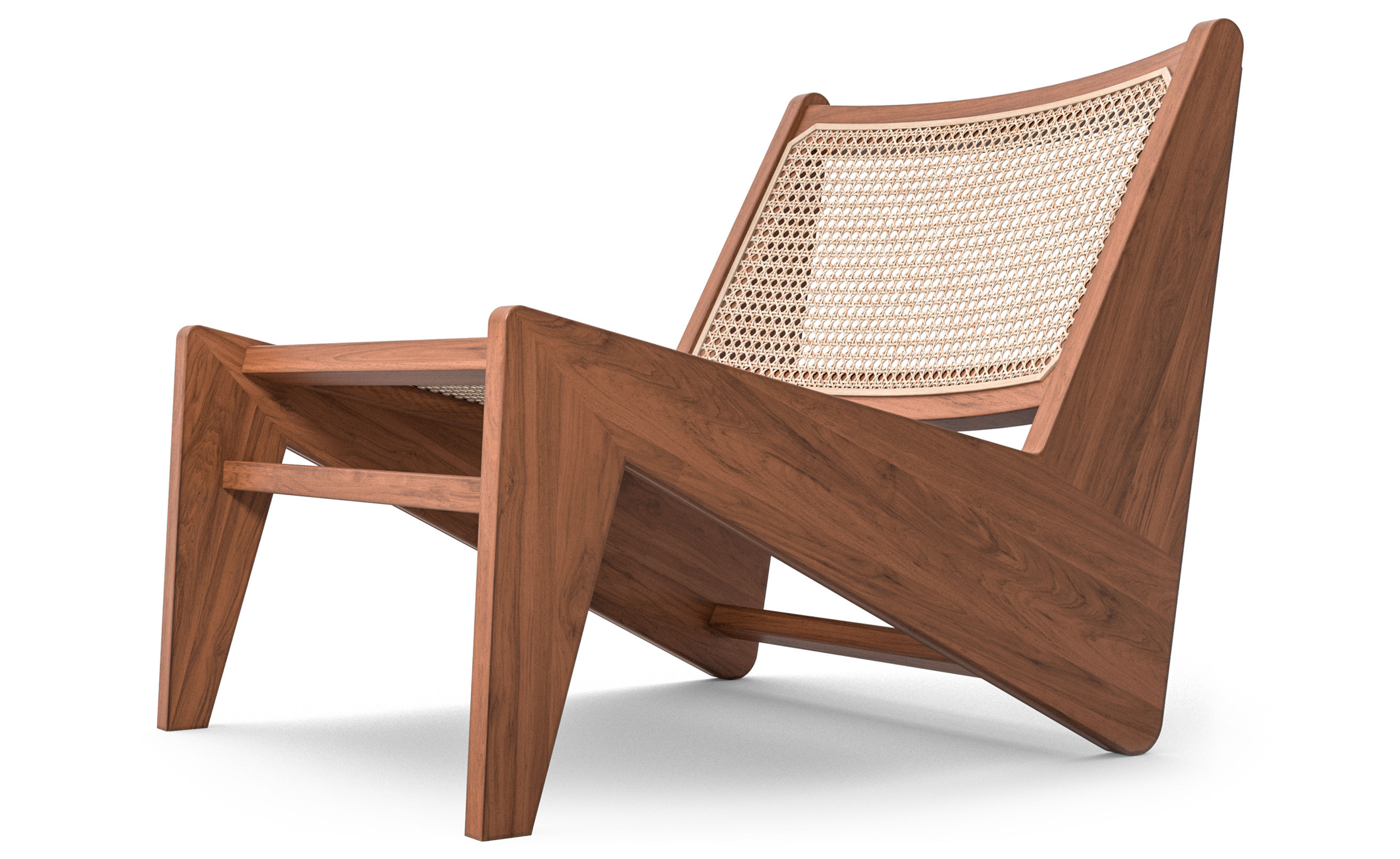
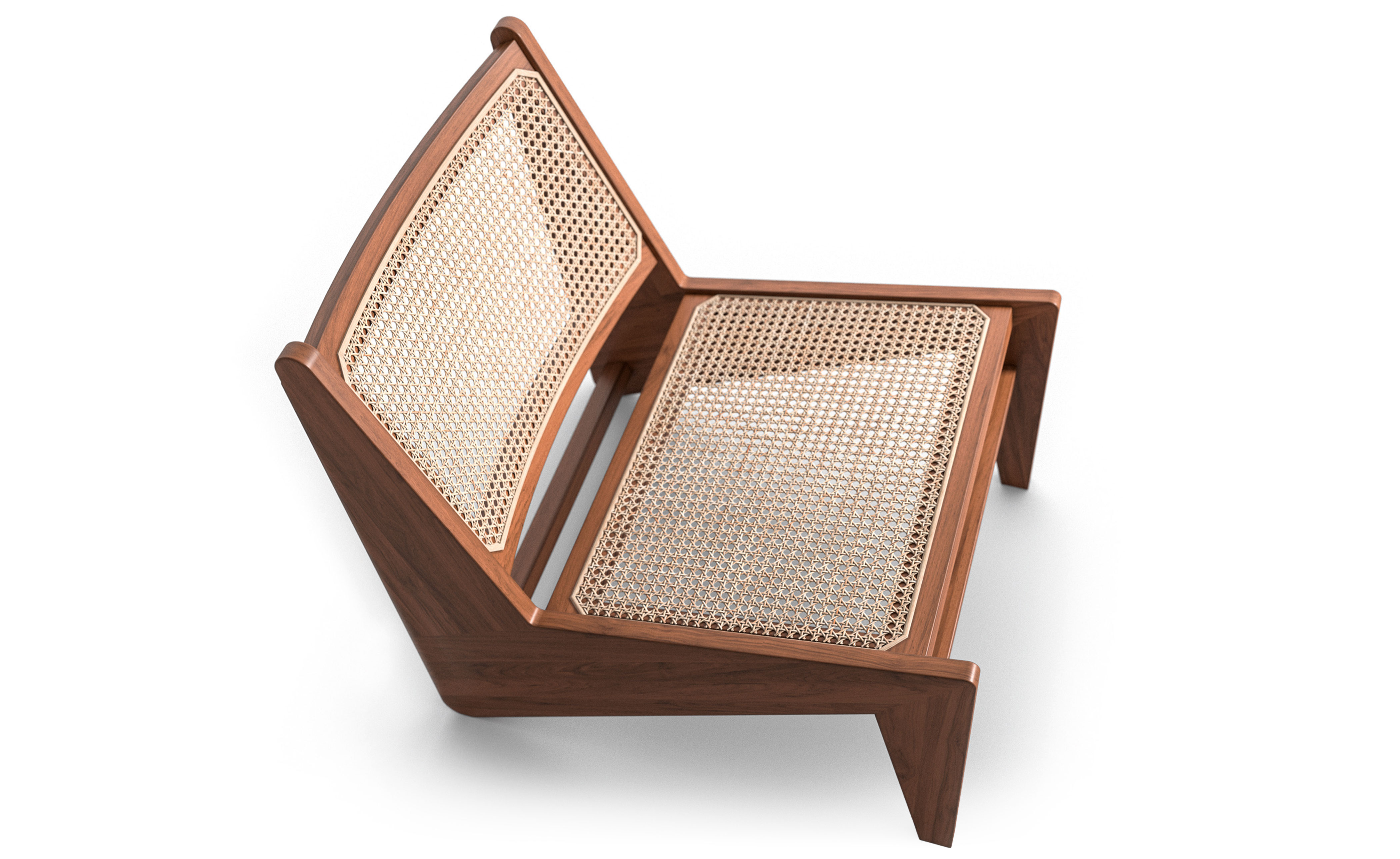
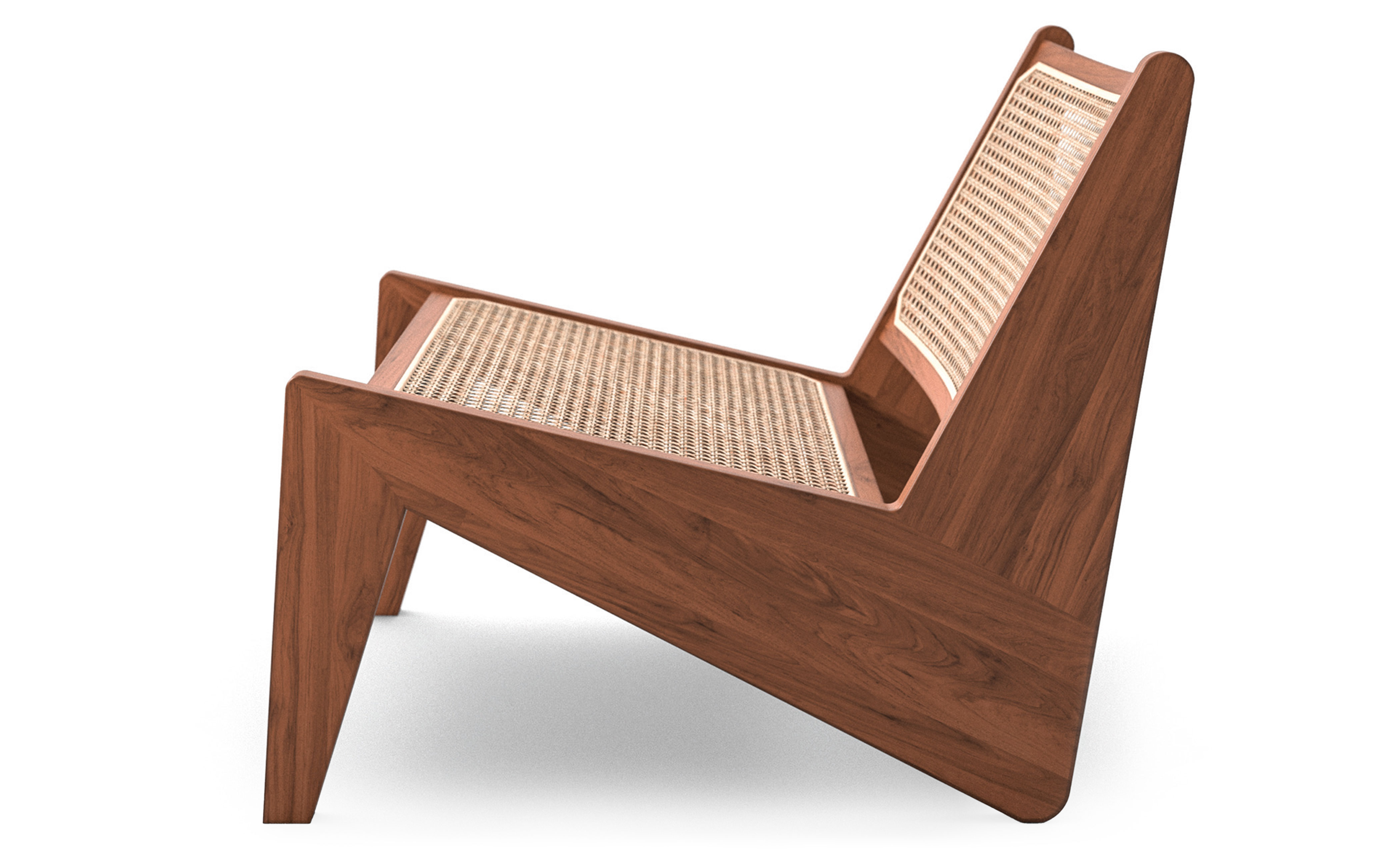
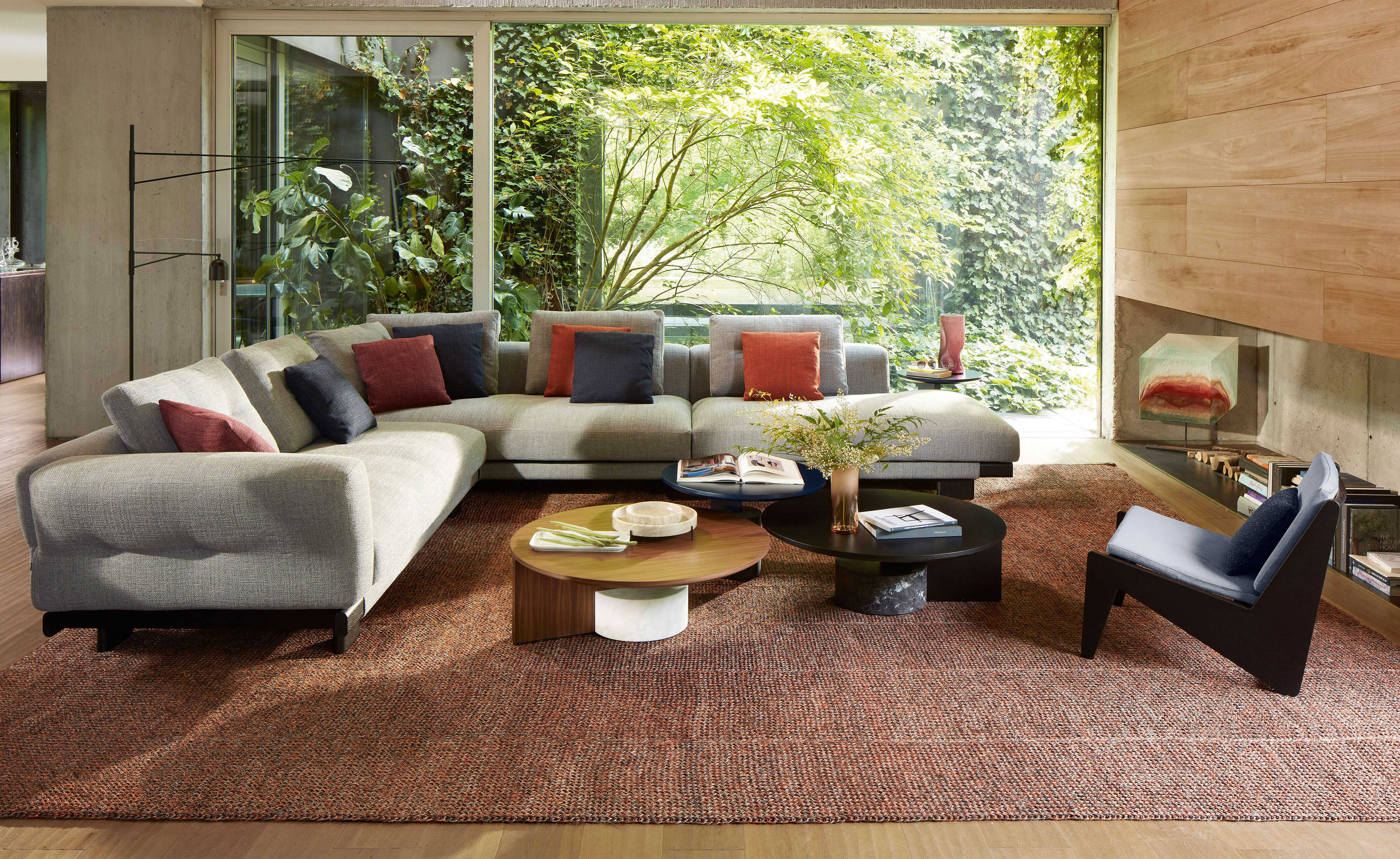
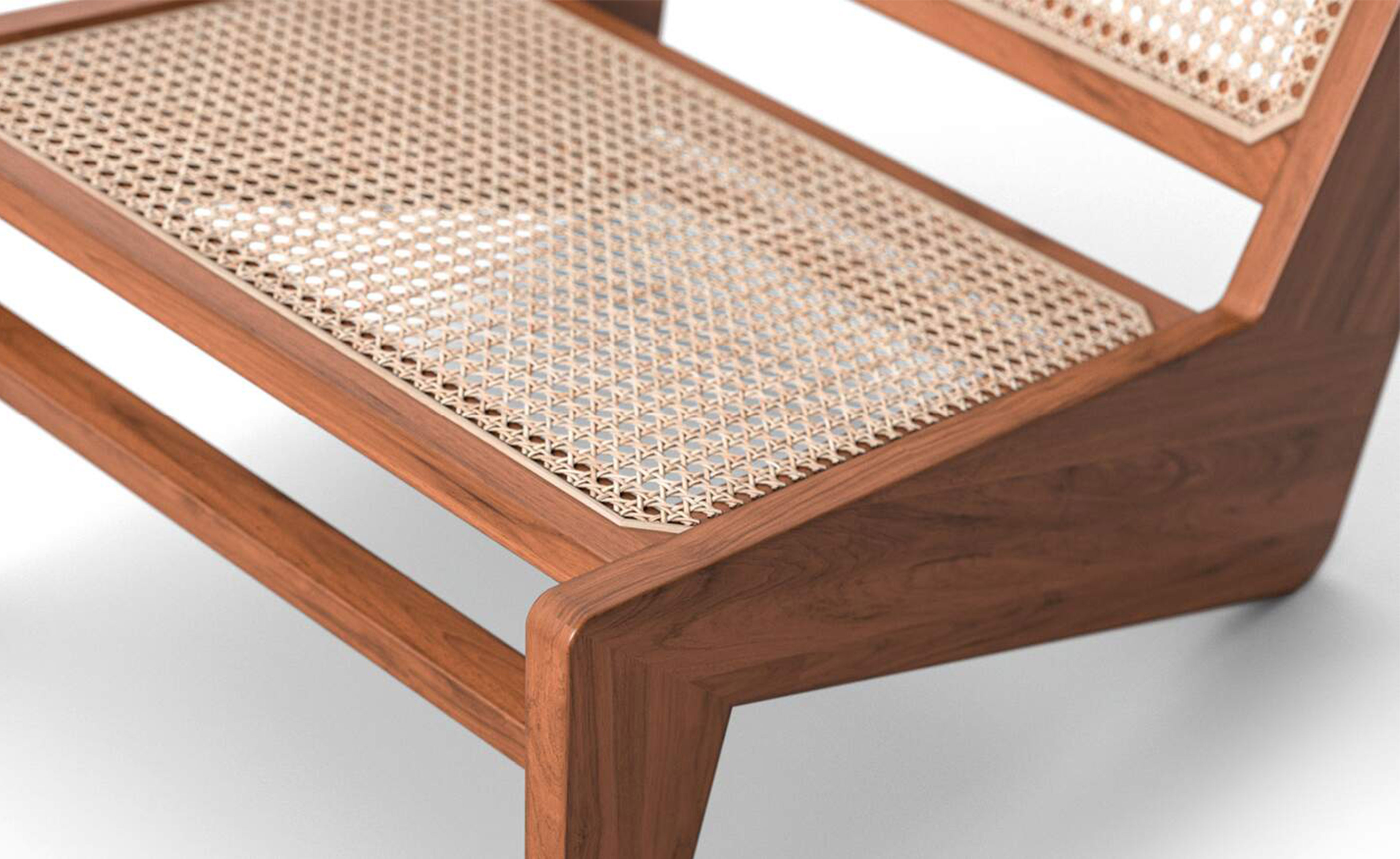
This low chair, made for the city's General Hospital Hall but also present in many private houses, is characterized by the "Z" shape of its sides, made up of a sequence of three vaguely triangular coplanar elements placed in continuity.
The seat and backrest feature typical weaving inside the wooden frame, for which, in addition to the historic teak version, the Cassina Research and Development Centre offers an oak version in a variety of finishes, produced in the company's historic carpentry workshop.
Cassina's reissue honors the integrity of the originals, offering the classic version in natural teak alongside an oak version in a variety of finishes.
Kangaroo Lounge
By Pierre Jeanneret, From Cassina- Design + Manufacturing
- Design Hommage à Pierre Jeanneret, 1958
- Made in Italy by Cassina
- Dimensions
- 23" w | 29.8" d | 24" h | seat: 13.2" h
- Materials
- Woven Viennese cane, solid oak or teak
- Shipping Time
- Select options for shipping time
- historically significant
- additional configurations available
- iconic design
- archival reissue
Similar Products
You may also like these products
For more than two decades, hive has been a trusted partner to architects and interior designers who refuse to compromise on quality. We offer expert consultation, project quotes, and dedicated support by phone and email — alongside online trade pricing for immediate access to your member benefits.
Join the Trade Professionals Program